
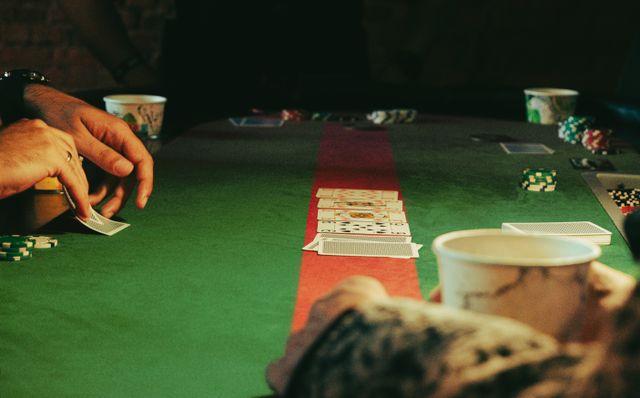
Poker demands more than an understanding of cards and hand rankings. Players develop habits around observation, patience, timing, and decision-making that extend beyond the poker table. These skills also help when exploring other traditional casino games.
Although blackjack, baccarat, and roulette follow different rules, they share certain elements of table structure and participation. Recognizing these similarities helps poker players approach unfamiliar formats with greater awareness. Five transferable skills illustrate how experience at one table can shape participation at another without changing the underlying rules.
1. Reading Table Patterns and Flow
Poker players regularly observe how hands develop before making decisions. They watch betting sequences, track active positions, and recognize changes in the pace of play. These observational habits also apply to classic casino table games, where understanding each round's sequence helps players follow unfamiliar procedures.
In blackjack, players can observe how the dealer distributes cards and when participants make decisions. Baccarat follows a more structured dealing sequence, while roulette has distinct wagering and result phases. Recognizing these differences helps players understand when participation begins and ends and how each game moves between rounds.
Some tables move quickly, while others allow more time between decisions. Poker players who study table activity can identify these differences before joining. Previous outcomes may reveal patterns in recorded results, but they do not establish what will happen next in independent games.
Observation therefore serves a practical purpose: understanding procedures and maintaining awareness. This attention also provides the foundation for another transferable skill: adapting when new information becomes available.
2. Adjusting Decisions to New Information
Poker requires players to reconsider decisions as cards appear and opponents take action. Information changes throughout each hand, making flexibility an important part of the experience. Similar principles apply when learning other table games, although the opportunities to make decisions differ considerably between formats.
Blackjack provides a clear example. Players receive cards before choosing among permitted actions, such as hitting, standing, or doubling down. Their decisions depend on the visible hand, the dealer's exposed card, and the table's rules.
Baccarat operates differently. Once wagers are placed, established drawing rules determine how the hands develop, leaving players without comparable decisions during the round. Roulette also follows a fixed sequence, with wagers closing before the outcome is determined.
Poker players benefit from recognizing these distinctions rather than applying identical approaches across every game. Adaptability means understanding what information matters and when players can act. This ability connects naturally with patience, particularly in games where players spend considerable time observing rather than acting.
3. Practising Patience Between Opportunities
Experienced poker players are familiar with patience. Many hands involve limited participation, particularly when players decide not to continue after reviewing their cards. That experience can make observation feel natural at unfamiliar casino tables, where watching several rounds helps players understand the pace and procedures before participating.
Players can observe different casino games to become familiar with their procedures before participating:
- Blackjack: Watch dealing procedures, available actions, and how the dealer completes each hand.
- Baccarat: Follow the card-distribution sequence to understand when wagers are accepted and how results are announced.
- Roulette: Observe wagering periods, wheel spins, and outcome displays.
Not every round requires immediate participation. Watching first is especially useful when moving between tables that operate at different speeds. Patience also creates opportunities to examine visible information without interrupting the flow of play. This leads to another familiar poker habit: following cards, totals, and results as they appear throughout a session.
4. Tracking Visible Cards and Outcomes
Poker players routinely follow visible cards throughout a hand. Community cards, exposed information, and completed hands help players understand what has happened during play. Other casino table games also present information that players can observe and interpret.
Blackjack displays card values and hand totals, allowing players to see how each decision changes the current hand. Baccarat presents Player and Banker totals, while roulette displays the winning number and often provides a history of previous results.
These records serve different purposes. Blackjack card information can affect decisions within a hand, depending on the applicable rules. In roulette, previous spins do not determine future results when outcomes are independent. Historical baccarat results likewise provide no reliable prediction of the next hand.
Poker players who track information can distinguish between records that explain a completed round and information relevant to an available decision. The underlying skill is accurate observation rather than predicting outcomes. That awareness extends beyond cards and numbers to the physical arrangement of each table.
5. Managing Table Position and Turn Order
Position plays an important role in poker. Acting later in a betting round lets players observe more action before making their decisions. Traditional casino games also involve seating arrangements and turn sequences, although their significance differs from poker.
At blackjack tables, participants generally act in an established order before the dealer completes the hand. Understanding this sequence helps players recognize when their turn arrives and which actions remain available.
Baccarat seating arrangements operate differently. The dealing process follows predetermined rules, so choosing a particular seat does not provide the positional advantages found in poker. Roulette likewise allows players to place wagers during the designated betting period, regardless of their position around the table.
Poker players can transfer their awareness of turn order without assuming seating creates the same advantages across games. Knowing where to sit and when to act makes unfamiliar procedures easier to follow. Once these differences become familiar, composure helps players maintain a consistent approach across formats.
Familiar Skills Across Different Tables
Poker and traditional casino games differ in their rules, decision points, and levels of player involvement. However, several habits developed through poker remain relevant across these formats. Observation helps players understand table procedures, while adaptability and patience help them adjust to different playing sequences.
Tracking visible information and recognizing turn order further clarify how each game operates. Composure ties these abilities together, helping players maintain a consistent approach. The result is greater familiarity with different table environments without assuming that poker strategies apply universally.
Comments
No comments yet.
This discussion is closed.